
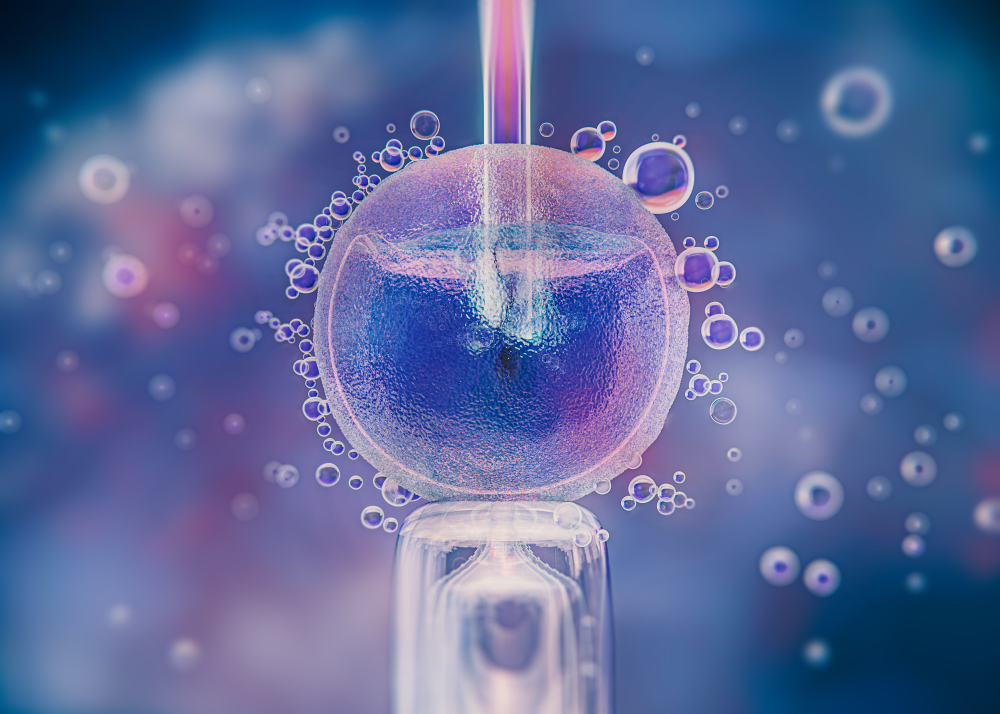
What is PICSI?
PICSI stands for Physiological Intracytoplasmic Sperm Injection. It is a special fertility treatment. In fact, PICSI helps doctors select the healthiest sperm for use in IVF (in vitro fertilization). This method can improve the chances of a successful pregnancy. Many couples choose PICSI when facing fertility problems. The PICSI procedure is safe and widely used in fertility clinics.
How Does PICSI Work?
PICSI uses a simple but careful process. The goal is to pick the best sperm for fertilizing an egg. Here are the main steps:
Because PICSI uses natural selection, it may help improve IVF results.
Benefits of PICSI
PICSI offers several advantages for couples trying to conceive. For example, it can:
Moreover, PICSI is safe and does not add much time to the IVF process. Many fertility specialists recommend it for certain patients.
Who Should Consider PICSI?
PICSI is not for everyone. However, it may help couples with:
Additionally, men with poor sperm quality may benefit from PICSI. Your fertility doctor can help decide if this treatment is right for you.
Risks and Considerations
While PICSI is safe, there are some things to keep in mind. For instance, PICSI does not guarantee pregnancy. Also, it may not help all couples. Some risks include:
Still, most side effects are rare. It is important to talk with your doctor about the risks and benefits.
What to Expect During and After the Procedure
The PICSI procedure is simple and does not cause pain. During the process:
After the procedure, you will wait a few days to see if the eggs fertilize and grow. If all goes well, the doctor will place the embryo in the uterus. You may need to rest and follow your doctor’s advice during this time.
Frequently Asked Questions About PICSI
If you are considering PICSI or have more questions, consult a fertility specialist at Dr. Hemanth Parigala for personalized advice about PICSI.