
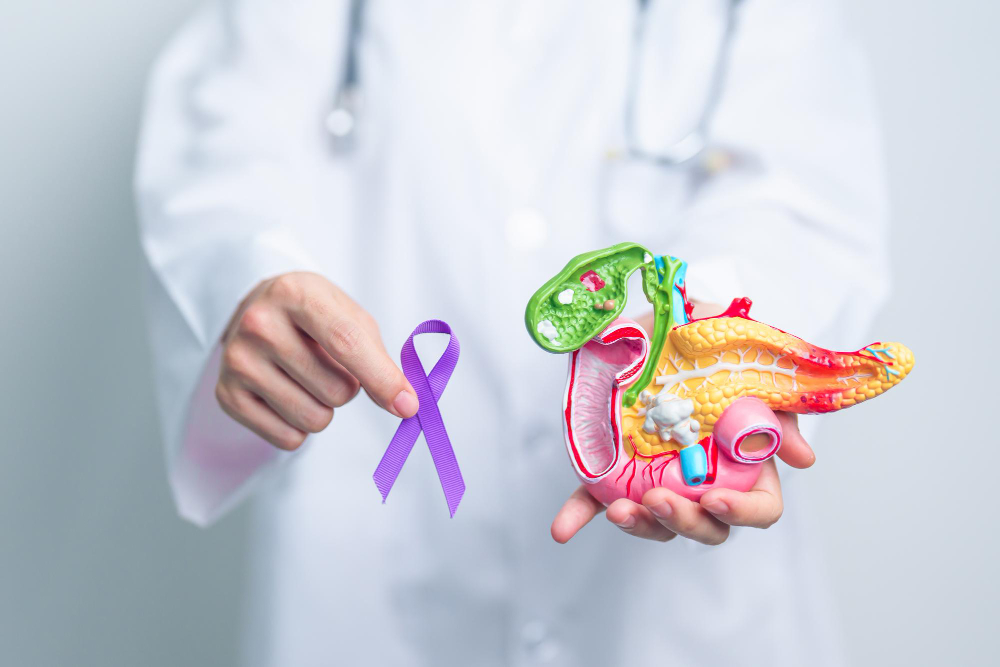
What is Pancreatic Cancer?
Pancreatic cancer is a serious disease that starts in the pancreas. The pancreas is a small organ behind your stomach. It helps with digestion and controls blood sugar. When cancer cells grow in the pancreas, they can spread quickly. Because of this, early detection is very important. According to the World Health Organization (WHO), pancreatic cancer is one of the leading causes of cancer deaths worldwide. However, learning about the disease can help you spot early signs and seek help sooner.
Symptoms of Pancreatic Cancer
Often, pancreatic cancer does not cause symptoms right away. Yet, some early signs of pancreatic cancer may appear as the disease grows. It is important to notice these symptoms early. Common symptoms include:
Sometimes, these symptoms can be caused by other health problems. Still, if you notice any of them, you should talk to your doctor.
Causes and Risk Factors
Doctors do not know the exact cause of pancreatic cancer. However, certain factors can increase your risk. Knowing these can help you make healthy choices. Main risk factors include:
For example, people who smoke are twice as likely to develop pancreatic cancer. In addition, having a close family member with the disease raises your risk.
Diagnosis of Pancreatic Cancer
Early diagnosis can improve treatment outcomes. If your doctor suspects pancreatic cancer, they may order several tests. These tests help confirm the diagnosis and check if the cancer has spread. Common diagnostic steps include:
According to the Centers for Disease Control and Prevention (CDC), these tests help doctors choose the best treatment plan for you.
Treatment Options
There are several pancreatic cancer treatment options. The best choice depends on the stage of the cancer and your overall health. Your doctor will explain your options and what to expect. Common treatments include:
Sometimes, doctors use more than one treatment. For example, you may have chemotherapy before or after surgery. Supportive care is also important to manage symptoms and improve quality of life.
Prevention and Lifestyle Tips
While you cannot prevent all cases, you can lower your risk. Simple lifestyle changes can help. Here are some tips on how to prevent pancreatic cancer:
Additionally, regular check-ups can help catch problems early. If you have a family history, talk to your doctor about your risk.
When to See a Doctor
It is important to seek medical advice if you notice any warning signs. For instance, if you have unexplained weight loss, yellowing skin, or ongoing stomach pain, see your doctor soon. Early action can make a big difference. Even if your symptoms are mild, it is better to be safe and get checked.
Conclusion and Next Steps
In summary, pancreatic cancer is a serious condition, but early detection and lifestyle awareness can make a difference. Learn the symptoms, understand your risks, and consult Dr Hemanth Parigala for personalized guidance on pancreatic cancer care.