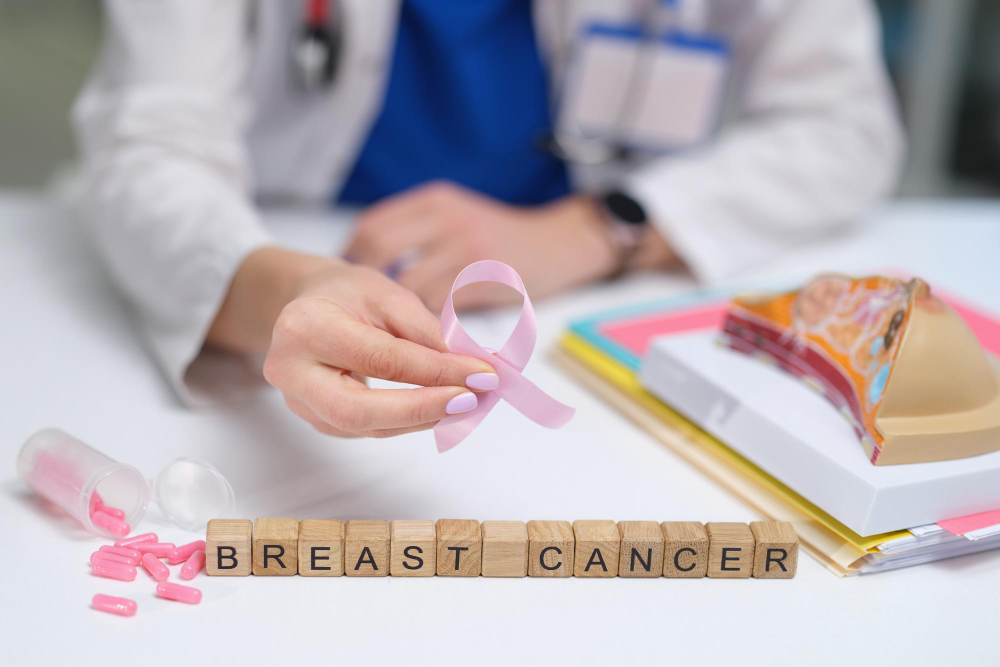
Many women hear breast cancer myths that can cause worry or confusion. However, knowing the facts is important for your health. Breast cancer is one of the most common cancers in women worldwide. Because of this, understanding the truth about breast cancer myths helps you make smart choices. In this blog, you will learn about breast cancer risk factors, early detection of breast cancer, and how to protect yourself with real information.
What Is Breast Cancer?
Breast cancer is a disease where cells in the breast grow out of control. These cells can form a lump or mass. Sometimes, they spread to other parts of the body. Although breast cancer mostly affects women, men can get it too. Early detection of breast cancer can save lives. For this reason, knowing the signs of breast cancer is important. Signs may include a new lump, changes in breast shape, or skin changes. If you notice any of these, talk to your doctor right away.
Why Breast Cancer Awareness Matters
Because breast cancer is so common, awareness can help save lives. When women know the facts, they can spot early signs of breast cancer. Early detection means treatment can start sooner. As a result, the chances of a good outcome improve. Breast cancer awareness also helps break down fear and stigma. In addition, it encourages women to talk openly about breast health. This way, more women can learn about breast cancer prevention tips and risk factors.
Common Myths About Breast Cancer
Evidence-Based Facts Every Woman Should Know
It is important to rely on facts from trusted sources. For example, the World Health Organization and CDC provide up-to-date information. Here are some key facts every woman should know:
How to Stay Informed and Proactive
Staying informed helps you make the best choices for your health. For instance, you can follow updates from trusted health organizations like the CDC or WHO. Talk to an expert oncologist Dr. Hemanth Parigala about your personal risk factors. Ask about the best time to start screening for early detection of breast cancer. If you have questions, do not hesitate to seek answers. By learning about breast cancer myths and facts, you can protect yourself and support others. Remember, knowledge is a key part of breast cancer prevention.
Get expert guidance tailored to your health needs, consult Dr. Hemanth Parigala.