
Introduction
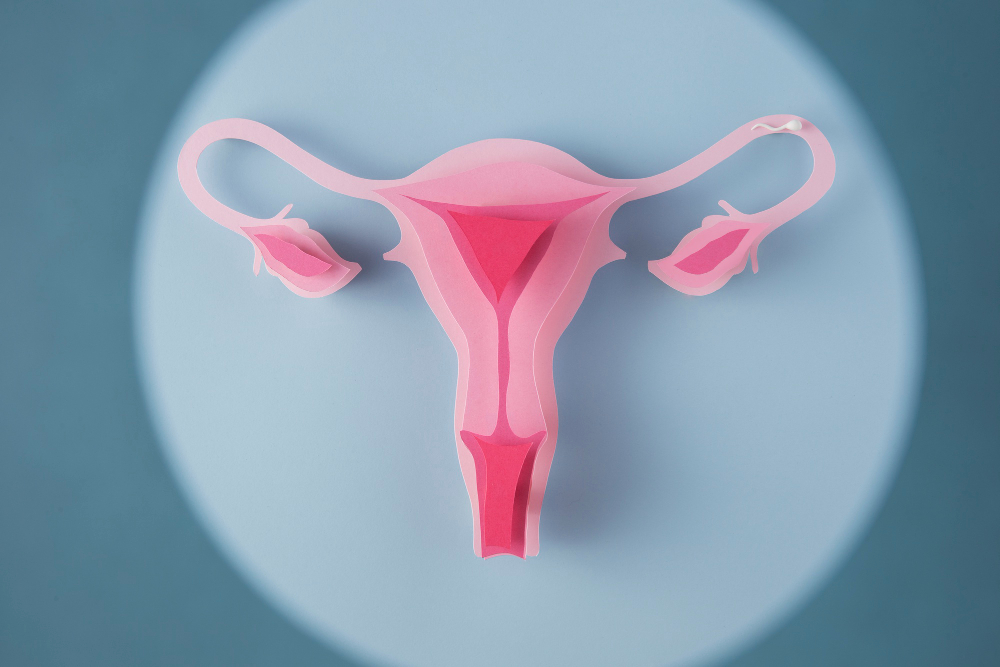
A thin endometrium means the lining of the uterus is thinner than normal. This lining is important for women’s reproductive health. It helps support a healthy pregnancy. If the uterine lining is too thin, it can make it harder to get pregnant. Many women with thin endometrium may face fertility issues. Understanding the causes and treatments can help improve your chances of conception. According to the World Health Organization (WHO), endometrial thickness plays a key role in successful pregnancies.
Causes of Thin Endometrium
Several factors can lead to a thin uterine lining. Knowing these causes can help you and your doctor find the best treatment. Common causes include:
Because many factors can play a role, it is important to identify the exact cause.
Common Symptoms and Signs
Often, thin endometrium does not cause clear symptoms. However, some women may notice:
Sometimes, women only learn about thin endometrium during fertility tests. Still, if you notice changes in your periods, it is wise to talk to your doctor.
Diagnosis Methods
Doctors use several methods to check for thin endometrium. Early diagnosis can help improve treatment outcomes. Common tests include:
Because these tests are simple and quick, most women can get answers in a short time.
Treatment Options
There are several ways to treat thin endometrium. The right treatment depends on the cause. Options include:
Medical Treatments
Surgical Treatments
Lifestyle Approaches
Because each woman is different, your doctor will suggest the best plan for you.
Prevention Tips and Lifestyle Guidance
While not all cases can be prevented, some steps may help keep your endometrium healthy. For example:
Because prevention is better than cure, these steps can support your reproductive health.
When to See a Doctor
If you have trouble getting pregnant or notice changes in your periods, see a doctor. Early help can make a big difference. Also, if you have a history of uterine surgery or infections, regular check-ups are important. Your doctor can guide you on how to improve thin endometrium and support your fertility journey.
Consult Dr Hemanth Parigala for personalized advice on thin endometrium.