What is Menorrhagia?
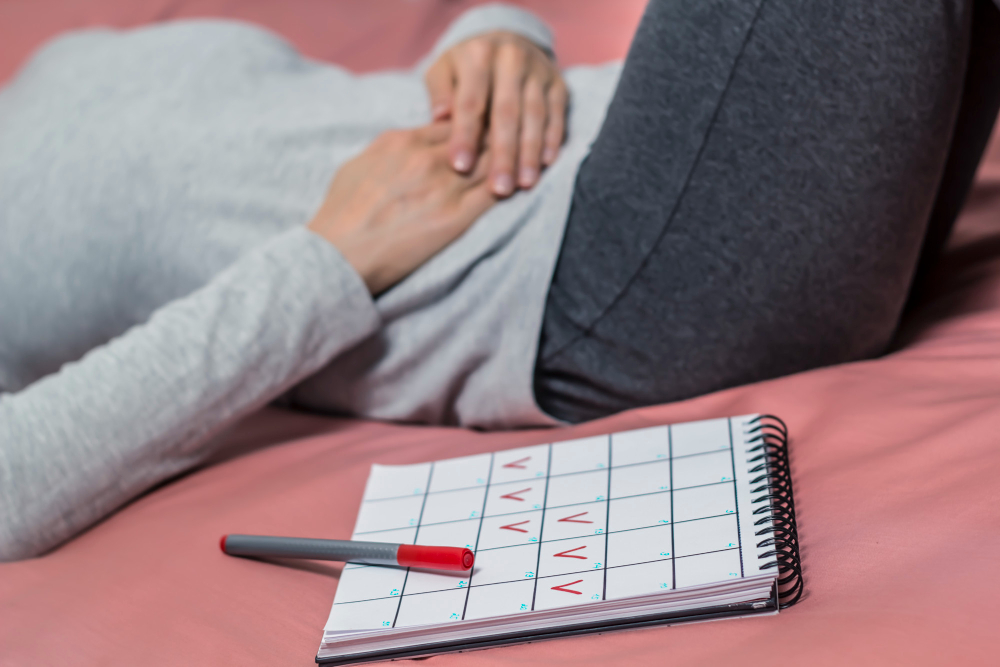
Menorrhagia means heavy or long-lasting menstrual bleeding. Many women experience some changes in their periods, but menorrhagia is more than just a heavy flow. In fact, it can make daily life hard. According to the CDC, menorrhagia affects about one in five women. Because it can lead to tiredness or even anemia, it is important to know the signs and seek help. If you notice your periods are much heavier than usual, you may have menorrhagia.
Common Symptoms of Menorrhagia
Menorrhagia can show up in different ways. However, some signs are more common. For example, you may notice:
Sometimes, heavy bleeding can also cause cramps or pain. If you notice these symptoms, it is important to talk to a doctor.
Causes and Risk Factors
There are many possible causes of menorrhagia. Sometimes, the reason is clear. Other times, doctors may not find a cause. Still, some common causes include:
In addition, some women are at higher risk. For example, those with a family history of heavy periods or bleeding disorders may be more likely to have menorrhagia. Age can also play a role, as teenagers and women nearing menopause often experience changes in their periods.
How Menorrhagia is Diagnosed
Doctors use several steps to diagnose menorrhagia. First, they ask about your medical history and period patterns. Next, they may do a physical exam. Often, doctors will order tests to find the cause. These may include:
Sometimes, doctors use other tests if needed. Early diagnosis can help find the best treatment for menorrhagia.
Treatment Options for Menorrhagia
Treatment for menorrhagia depends on the cause, your age, and your health. Your doctor will suggest the best option for you. Common treatments include:
For many women, medicine is enough. However, surgery may be needed if other treatments do not work.
Lifestyle Tips and Self-Care
Along with medical treatment, some lifestyle changes can help manage heavy menstrual bleeding. For example:
Additionally, talking to friends or support groups can help you cope. Remember, you are not alone.
Prevention and When to See a Doctor
While you cannot always prevent menorrhagia, early care can help. For instance, regular check-ups may catch problems early. If you notice any of these signs, see a doctor:
In summary, heavy menstrual bleeding is not something you have to live with. Effective treatments are available. Therefore, consult for personalized advice about menorrhagia.