
Introduction
Many people wonder, can surgery completely cure gallbladder cancer? This is an important question for patients and families. Gallbladder cancer is rare, but it can be serious. Understanding the role of surgery helps you make informed choices. In this blog, we will explain how surgery works, what to expect, and what factors affect the chances of a cure. We will also discuss when to see a specialist for gallbladder cancer treatment.
What Is Gallbladder Cancer?
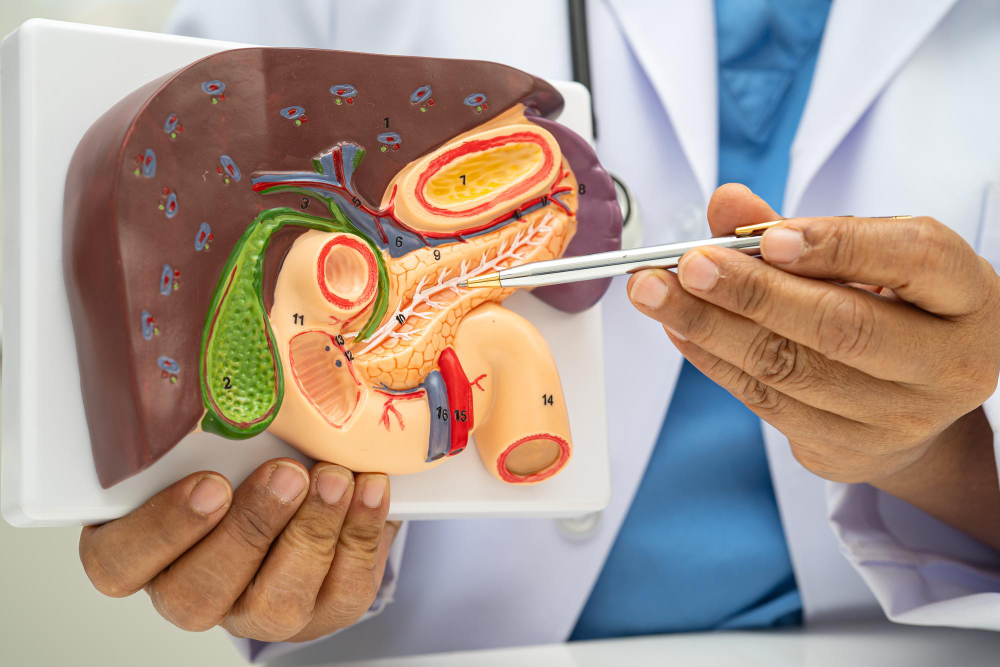
Gallbladder cancer starts in the gallbladder, a small organ under the liver. The gallbladder stores bile, which helps digest fat. Although this cancer is not common, it can spread quickly. Early detection is important for better outcomes. According to the World Health Organization (WHO), gallbladder cancer is more common in some regions, such as South Asia and South America.
How Is Gallbladder Cancer Diagnosed?
Doctors use several tests to diagnose gallbladder cancer. First, they may order blood tests to check liver function. Next, imaging tests like ultrasound, CT scans, or MRI scans help find tumors. Sometimes, a biopsy is needed. In this test, a small piece of tissue is removed and checked under a microscope. Early diagnosis can improve treatment options and outcomes.
Surgical Treatment for Gallbladder Cancer
Surgery is the main treatment for gallbladder cancer, especially if found early. The most common surgery is called a cholecystectomy. In this procedure, doctors remove the gallbladder. If the cancer has spread, they may also remove nearby tissue or part of the liver. Surgery offers the best chance for a cure when the cancer is small and has not spread.
Sometimes, surgery is not possible if the cancer has spread too far. In these cases, other treatments like chemotherapy or radiation may be used.
Can Surgery Completely Cure Gallbladder Cancer?
Surgery can cure gallbladder cancer, but only in some cases. If the cancer is found early and has not spread, surgery offers the best chance for a complete cure. According to the American Cancer Society, cure rates are highest when the tumor is small and limited to the gallbladder. However, many people are diagnosed at a later stage. In these cases, surgery may not remove all the cancer. Even so, surgery can help control symptoms and improve quality of life.
Factors Affecting Surgical Outcomes
Several factors affect whether surgery can cure gallbladder cancer. First, the stage of the cancer is important. Early-stage cancers have better outcomes. Next, the location and size of the tumor matter. If the cancer has spread to other organs, surgery is less likely to cure it. Additionally, a patient’s overall health and age can affect recovery and results. Treatment options may also vary by region, depending on available medical facilities and specialists.
What to Expect After Surgery
After surgery, recovery times can vary. Most people stay in the hospital for a few days. Pain and tiredness are common at first. Doctors will give instructions on caring for the wound and managing pain. Some people may need more treatment, such as chemotherapy or radiation, to lower the risk of cancer coming back. Regular follow-up visits are important to check for any signs of cancer returning.
When to Consult a Specialist
If you have symptoms like belly pain, jaundice, or unexplained weight loss, see a doctor soon. Early diagnosis can improve treatment options. If you are diagnosed with gallbladder cancer, ask for a referral to a cancer specialist. In many areas, cancer centers offer advanced treatments and experienced surgeons. Getting a second opinion can also help you make the best decision for your care.
Conclusion
In summary, surgery can completely cure gallbladder cancer, but only if it is found early and has not spread. Many factors affect the chances of a cure, including the stage of the cancer and your overall health. Always consult Dr. Hemanth Parigala for personalized guidance on gallbladder cancer treatment. Early action can make a big difference in outcomes.