What is HPV and How Does It Relate to Cervical Cancer?
Human papillomavirus (HPV) is a common virus. Almost everyone who is sexually active will get HPV at some point. However, most people do not know they have it. Some types of HPV can cause cervical cancer. In fact, almost all cases of cervical cancer are linked to HPV infection. Because of this, HPV vaccination in preventing cervical cancer is very important. The virus spreads through close skin-to-skin contact, often during sexual activity. While many HPV infections go away on their own, some can cause lasting problems.
Why is HPV Vaccination Important?
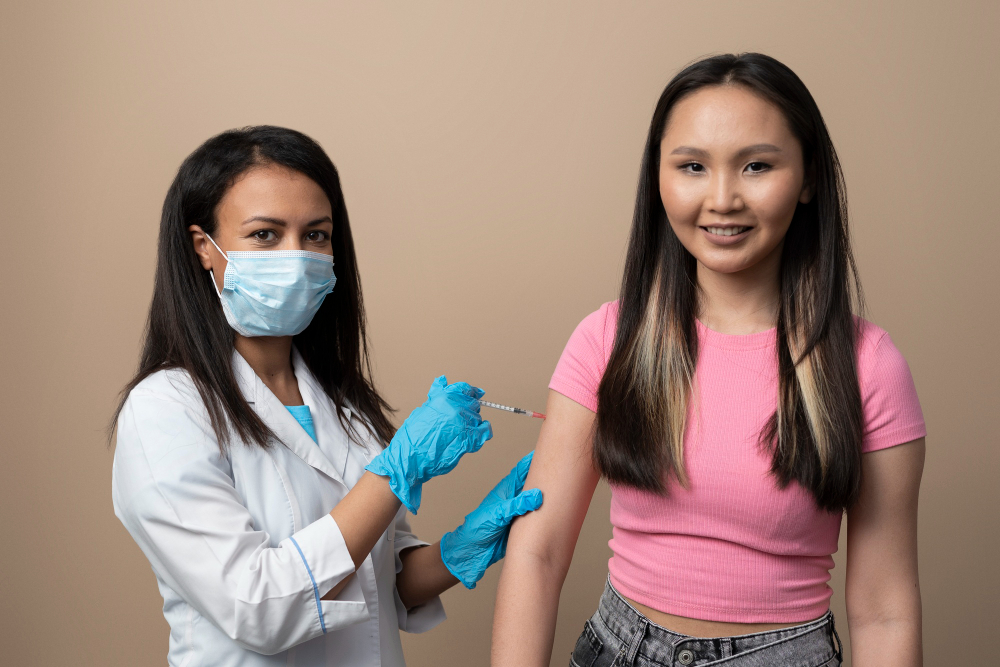
HPV vaccination protects against the types of HPV that cause most cervical cancers. For this reason, getting the vaccine can greatly lower your risk. In addition, the vaccine can prevent other cancers caused by HPV, such as throat and anal cancers. According to the World Health Organization (WHO), HPV vaccination can prevent up to 90% of cervical cancer cases. Therefore, it is a key step in protecting your health. The benefits of HPV vaccine go beyond just cancer prevention. It also helps reduce the spread of the virus in the community.
Who Should Get the HPV Vaccine and When?
Most experts recommend the HPV vaccine for preteens, both girls and boys, starting at age 11 or 12. However, it can be given as early as age 9. If you did not get the vaccine as a child, you can still get it up to age 26. In some cases, adults up to age 45 may benefit, but you should talk to your doctor first. The vaccine works best when given before any exposure to HPV. Here is a quick guide:
Effectiveness and Safety of the HPV Vaccine
Many studies show that the HPV vaccine is very effective. It can prevent most cases of cervical cancer if given before exposure to the virus. The Centers for Disease Control and Prevention (CDC) confirms that the vaccine is safe. Most side effects are mild, such as a sore arm or slight fever. Serious side effects are very rare. Because the vaccine has been used for many years, experts know it is both safe and helpful. The HPV vaccine safety record is strong, and millions of people have received it worldwide.
Common Myths and Facts About HPV Vaccination
There are many myths about HPV vaccination. However, knowing the facts can help you make the right choice. Here are some common myths and the truth:
Prevention Tips and Lifestyle Guidance
Besides getting the HPV vaccine, there are other ways to lower your risk of cervical cancer. For example, regular screening tests like Pap smears can help find changes early. In addition, practicing safe sex and not smoking can reduce your risk. Here are some simple cervical cancer prevention tips:
How to Access HPV Vaccination
Getting the HPV vaccine is easy in many places. First, talk to your doctor or local clinic about the vaccine. Many schools and health centers offer it for free or at low cost. You may also find information from public health departments. Remember, you may need more than one dose for full protection. Always follow your healthcare provider’s advice on the schedule. If you have questions about cost or where to get the vaccine, ask your doctor or nurse for help.
Conclusion
HPV vaccination in preventing cervical cancer is a proven and safe way to protect your health. Because the vaccine works best before exposure, early vaccination is key.
For more details or to get started, consult Dr. Hemanth Parigala to learn more about HPV vaccination and cervical cancer prevention.