
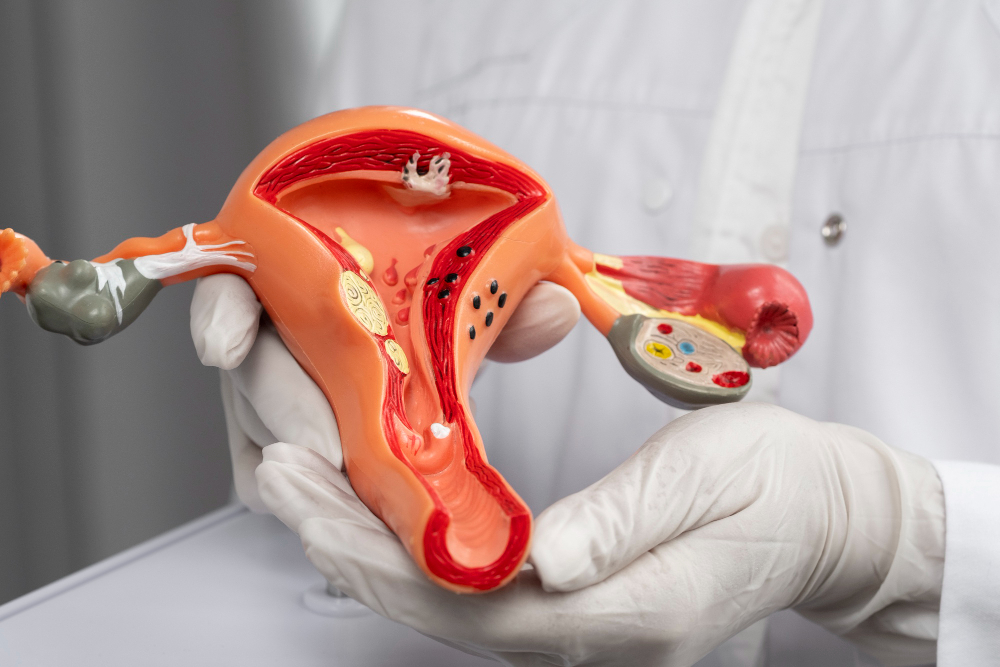
What is Ovarian Cancer?
Ovarian cancer is a type of cancer that starts in the ovaries. The ovaries are small organs in a woman’s lower belly. They make eggs and female hormones. Although ovarian cancer is less common than some other cancers, it can be serious. In the United States, it affects about 1 in 78 women during their lifetime, according to the American Cancer Society. Because early signs of ovarian cancer are often mild, many women do not notice them right away. Therefore, knowing the facts can help with early detection and better outcomes.
Common Symptoms of Ovarian Cancer
Many early signs of ovarian cancer are easy to miss. However, paying attention to your body can help. Some common symptoms include:
Sometimes, these symptoms are caused by other, less serious conditions. But if they last for more than two weeks, it is important to see a doctor. Early diagnosis can make a big difference in treatment success.
Causes and Risk Factors
Doctors do not know the exact cause of ovarian cancer. Still, certain factors can raise your risk. These include:
On the other hand, using birth control pills for several years may lower the risk. If you have a family history, genetic counseling can help you understand your risk better.
How Ovarian Cancer is Diagnosed
Doctors use several steps to diagnose ovarian cancer. First, they ask about your symptoms and medical history. Next, they may do a physical exam. If they suspect ovarian cancer, they might order tests such as:
Early ovarian cancer diagnosis can improve treatment results. Therefore, talk to your doctor if you notice any lasting symptoms.
Treatment Options for Ovarian Cancer
Treatment for ovarian cancer depends on the stage and type. Usually, doctors use a combination of methods. Common ovarian cancer treatment options include:
Sometimes, doctors may suggest clinical trials for new treatments. After treatment, regular check-ups help monitor your health. Each person’s treatment plan is unique, so discuss all options with your healthcare team.
Prevention and Lifestyle Tips
While you cannot prevent all cases of ovarian cancer, you can lower your risk. Here are some tips for preventing ovarian cancer:
In addition, regular check-ups and being aware of your body can help catch problems early. Healthy habits support your overall well-being.
When to See a Doctor
If you notice symptoms like bloating, belly pain, or changes in eating, do not ignore them. Especially if these signs last more than two weeks, see a healthcare provider. Early action can lead to better outcomes. Even if your symptoms seem mild, it is always better to check with a doctor. They can guide you on the next steps and help with ovarian cancer diagnosis if needed.
For personalized advice on ovarian cancer, consult Dr. Hemanth Parigala. Early detection and expert care can make a real difference in your health.